
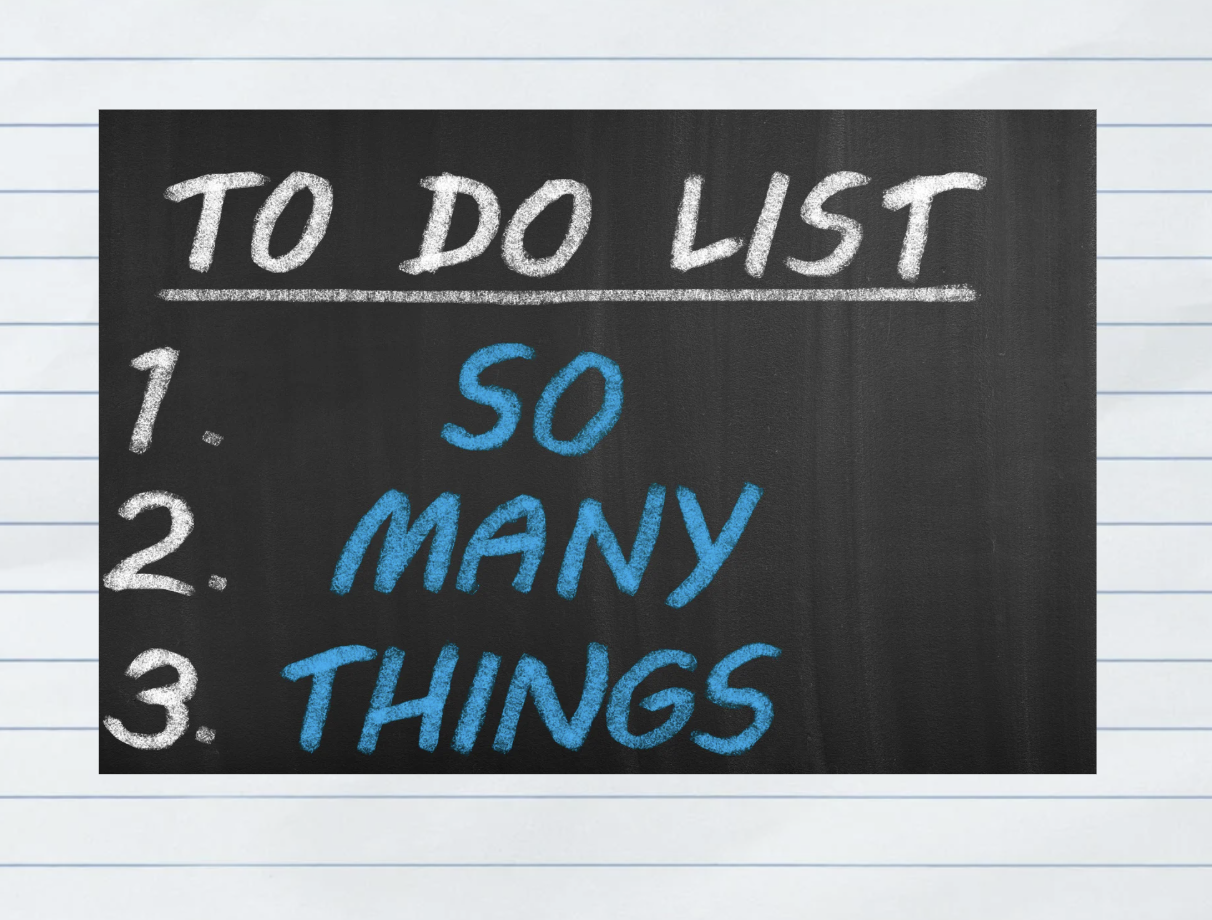
When was the last time you looked at your endless daily schedule and asked yourself:
“How much of this am I carrying simply because I’ve been trained to believe my worth equals my output?”
We live in a culture that measures our value by how much we can handle, how much we can produce, and how quietly we can carry the load.
As we move through Fall, there is a natural invitation from the season around us to slow down. Yet for so many women I coach, their internal engine is still revving at full speed…driven by an invisible pressure to keep doing, fixing, and producing.
If you are running on empty, trying to manage everyone else’s emotional climate, and feeling terrified to drop even one small obligation, I want to offer you a completely new perspective today: Subtracting tasks isn’t laziness—it’s high-level strategy.
The Invisible Trap of “Performance Worth”
Where does this constant urge to add more to our plates actually come from?
Most of us inherited a generational blueprint that equated busyness with virtue. We grew up watching hardworking family members put their own wants, health, and desires at the absolute bottom of the priority list—or off the list entirely. Without realizing it, we absorbed that exact script. Self-sacrifice became our normal. Over-functioning became our baseline.
In my book, Why Am I Like This? Uncovering Inherited Programming and Navigating Generational Trauma, I bring awareness to something called Performance Worth.
Performance Worth is the trick your brain plays on you when it links your human value directly to your productivity.
When you operate from Performance Worth, taking something off your to-do list feels like taking away a piece of your value. Your mind whispers: “If I do less, I am less.” Saying “I don’t have the bandwidth for this” suddenly gets labeled by your brain as lazy, selfish, or a failure.
But subtracting things that overextend you is not a failure. When you remove obligations that cause friction and exhaustion, you are being smart, intentional, and protective of your mental and physical health. Subtraction is how you clear the noise so your energy can flow toward what actually matters.
Are You Managing Everyone Else’s “Emotional Temperature”?
Over-functioning often shows up in a very subtle, exhausting way: taking on responsibility for everyone else’s emotional state.
For a huge portion of my life, I worked a muscle I developed early in childhood. Growing up around emotional uncertainty, I became hyper-attuned to subtle cues in the room—a shift in tone, a quiet sigh, an unspoken frustration. I learned to read the “emotional temperature” of everyone around me, and I took on the unspoken job of trying to fix it (or at the very least, feeling it all so they wouldn’t have to).
As an adult, that pattern followed me everywhere—into my business, my marriage, my parenting, and my friendships. If someone was sad or frustrated, I instinctively jumped in to settle it.
By my late 40s, carrying the weight of everyone else’s emotional experience completely drained my mental and physical health. I realized I didn’t even know how to sit still or feel genuine joy because I was constantly “on call” for everyone else’s mood.
Learning to Stay Out of the “Emotional Ditch”
Subtracting that behavior felt terrifying at first because over-functioning was all I knew. But through intentional brain-retraining, I learned a life-changing truth: I can be deeply loving, supportive, and compassionate without jumping into the emotional ditch with someone else.
You can hold space for people to experience their own full human experience—which naturally includes both highs and lows—without taking on their emotional burden as your personal responsibility.
The Quick Alignment Test
How do you know what to keep and what to subtract? You start by listening to your energy.
The next time you look at a task on your schedule, ask yourself this quick Alignment Test:
When I engage in this commitment or take this action, do I feel a surge of positive energy and flow? Or do I feel persistent friction, a pit in my stomach, and a sense of physical depletion?
Habit, Guilt, or Fear: Drains your life force.
Genuine Alignment: Fills your cup and flows easily.
Try This: The Sunday Post-It Challenge
To put this high-level strategy into practice this week, I want to challenge you to make a Stop Doing List.
- Grab a Post-It Note on Sunday evening.
- Write down 1 to 5 things you are going to actively STOP doing this week.
- Keep it simple. Here are a few examples:
- “I am going to stop trying to manage or fix everyone else’s bad mood today.”
- “I am going to stop picking up everyone else’s clutter around the house.”
- “I am going to stop over-managing my family members and let them handle their own choices.”
- “I am going to stop filling my calendar so full that I don’t have time to go for a walk or read my book.”
When you put something on your Stop Doing list, remind yourself that you are not abandoning anyone. Stepping back actually builds confidence, independence, and resilience in the people around you. You are giving them space to grow while giving yourself room to breathe.
Ready to Unpack Your Own Blueprint?
Redefining success and stepping away from the need to perform for your worth is profound, freedom-creating work.
If you want to understand the root of these inherited habits and learn how to rewrite your personal script, grab a copy of my book, Why Am I Like This? Uncovering Inherited Programming and Navigating Generational Trauma, available on Amazon and in local library branches.
And if you’re sitting here today feeling so overwhelmed by the sheer volume of your life that you can’t even see what to put on a Post-It note yet, please know you don’t have to figure this out in isolation.
Working with a guide changed every corner of my own life by giving me outside perspective on my thinking. That is exactly what I offer to you.
I work 1-on-1 with those who are ready to improve their life in real, tangible ways. I invite you to take a step forward and dive deeper:
- Pick up your copy of Why Am I Like This? to map out your own inherited triggers. You can learn more about my book at LifeCoachingwithCarisa.com/my-book.
- Click here to watch the video.
- Let’s work on expanding your capacity for peace together. Schedule a free clarity call on my website.
“It is not a daily increase, but a daily decrease. Hack away at the unessentials.”
Bruce Lee